
Relive the Golden Era of Gaming!
Dive into the pixelated world of Dendy and SEGA classics from 1994.
Welcome to 1994: The Arcade Spirit Lives On
Step back in time to a pivotal year in gaming history. 1994 was a vibrant canvas painted with the pixels of groundbreaking consoles and the echoes of arcade cabinets. It was a time when Sega and Nintendo battled for supremacy, pushing boundaries with every new release. From the adrenaline-pumping action of side-scrollers to the intricate worlds of early RPGs, this era shaped a generation of gamers. We're here to celebrate that spirit, to dust off the cartridges, and to relive the magic of games that, despite their technological limitations, offered boundless imagination and pure, unadulterated fun. Join us as we explore the titles that defined a decade and continue to captivate hearts.
The Challenge and Charm of 90s Gaming
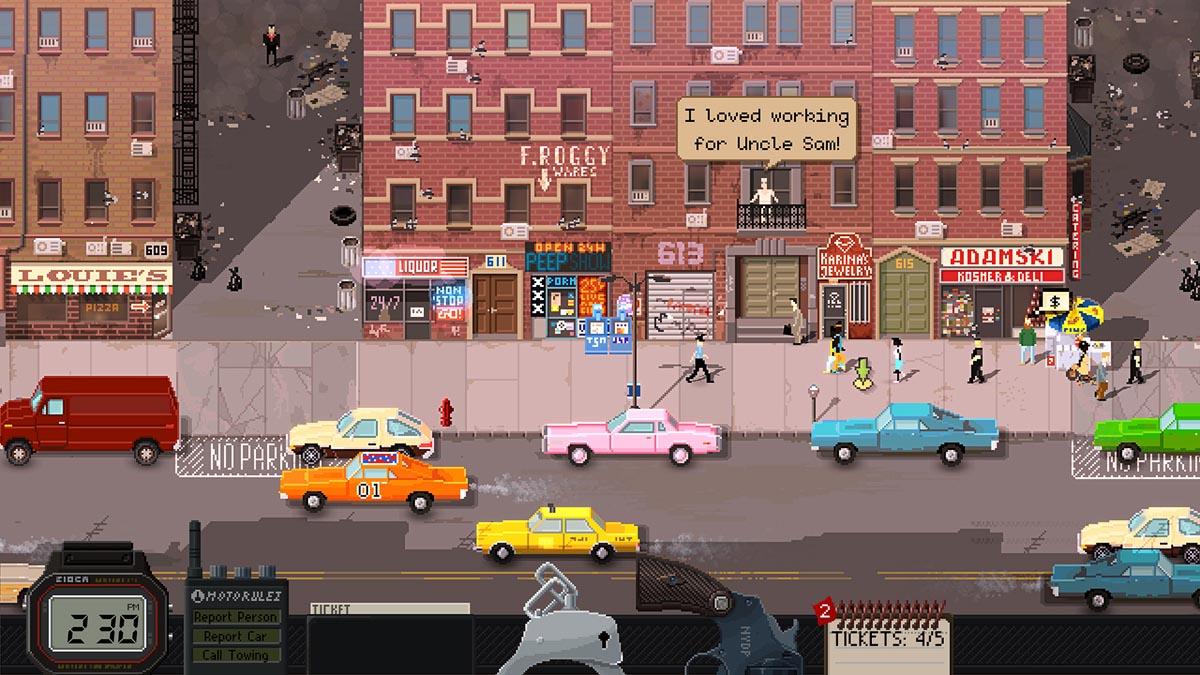
The 90s presented a unique blend of challenge and artistic style in video games. Unlike many modern titles, games from this era often demanded precision, patience, and a high tolerance for trial-and-error. Limited save points, unforgiving enemy patterns, and complex level designs were the norm, fostering a sense of accomplishment that is hard to replicate today. This wasn't just about difficulty for difficulty's sake; it was an integral part of the gameplay loop, encouraging mastery and replayability. The visual style, dominated by pixel art, was equally distinctive. Each pixel was carefully placed to convey character, environment, and emotion within the constraints of the hardware. This artistic limitation often led to incredibly creative and iconic designs, where imagination filled in the gaps. The vibrant color palettes, chunky sprites, and memorable animations became hallmarks of the era, creating a visual language that is instantly recognizable and deeply nostalgic. Beyond the visuals, the sound design played a crucial role. Chiptune soundtracks, crafted from limited sound chips, were surprisingly expressive and catchy, embedding themselves into the collective memory of gamers. These tracks weren't just background noise; they were integral to the game's atmosphere, intensifying moments of action, mystery, or triumph. The combination of challenging gameplay, iconic pixel art, and unforgettable chiptune music forged a gaming experience that was both demanding and immensely rewarding, a true testament to the creativity and ingenuity of developers working within the technological confines of the time. It was a golden age where every successful jump, every defeated boss, and every discovered secret felt like a hard-earned victory, solidifying the player's connection to the virtual world. This era fostered a community of players who shared tips, tricks, and strategies, often through word-of-mouth or gaming magazines, adding another layer to the overall experience. The games were designed to be explored, mastered, and discussed, creating a rich cultural tapestry around the burgeoning medium. The limitations of the hardware paradoxically pushed developers to be more innovative, leading to unique gameplay mechanics and storytelling techniques that are still celebrated today. The charm of 90s gaming lies in this perfect storm of challenge, creativity, and community, a legacy that continues to inspire and entertain.
Featured Classics of 1994
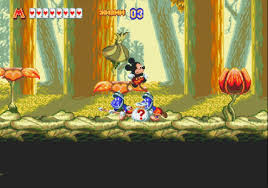
World of Illusion starring Mickey Mouse and Donald Duck
World of Illusion, released in 1994 for the Sega Genesis, is a magical platformer that stands out for its cooperative gameplay and enchanting visuals. Players can choose to control Mickey Mouse or Donald Duck, or team up for a delightful two-player adventure. The game transports players into a fantastical world crafted by a mysterious magician, where familiar objects take on extraordinary forms and challenges abound. The core gameplay revolves around classic platforming mechanics: jumping, dodging, and using a magical cloak to cast spells. Mickey’s spells are generally more straightforward, allowing him to create ropes or bubbles, while Donald’s spells are often more chaotic but equally effective. The level design is a masterclass in creativity, featuring environments like an underwater kingdom, a candy land, and a giant library, each with unique hazards and puzzles. The game excels in its attention to detail, from the fluid character animations to the vibrant backgrounds that pop with color. The cooperative mode is where World of Illusion truly shines. Mickey and Donald can assist each other in various ways, such as helping each other reach high ledges, sharing magical power-ups, or performing unique joint attacks. This collaborative aspect adds a layer of depth and replayability, making it a favorite for friends and families. The atmosphere is consistently whimsical and charming, perfectly capturing the essence of Disney. The soundtrack, composed of cheerful and memorable tunes, complements the visuals beautifully, enhancing the sense of wonder and adventure. While not overly challenging for seasoned gamers, its appeal lies in its polished presentation, engaging gameplay, and the sheer joy of playing as two iconic characters. The game’s difficulty curve is gentle, making it accessible to younger players while still offering enough charm and clever design to keep adults entertained. It’s a nostalgic journey back to a simpler time in gaming, where imagination and fun were paramount. The boss battles are creative and often require a bit of thought, rather than just brute force, adding to the overall enjoyment. The game’s pacing is excellent, with each level introducing new mechanics and visual themes, preventing any sense of monotony. The art direction is simply stunning, utilizing the Genesis’s color palette to its fullest potential, creating a truly immersive and visually rich experience. Every frame feels like a hand-drawn animation, a testament to the dedication of the development team. The enduring legacy of World of Illusion is its ability to evoke a sense of pure, unadulterated joy, a quality that makes it a timeless classic in the platforming genre. It’s a game that reminds us of the magic that video games can create, a true gem from the 90s that continues to enchant players of all ages. Its focus on cooperative play was somewhat ahead of its time, providing a robust and enjoyable multiplayer experience that many games still strive to achieve. The game's narrative, while simple, serves as a perfect backdrop for the fantastical journey, allowing the whimsical environments and characters to take center stage. The controls are tight and responsive, making the platforming feel precise and satisfying. Even decades later, picking up World of Illusion is a delightful experience, a testament to its enduring design and timeless appeal. It’s more than just a game; it’s a piece of interactive art that celebrates the joy of adventure and friendship.
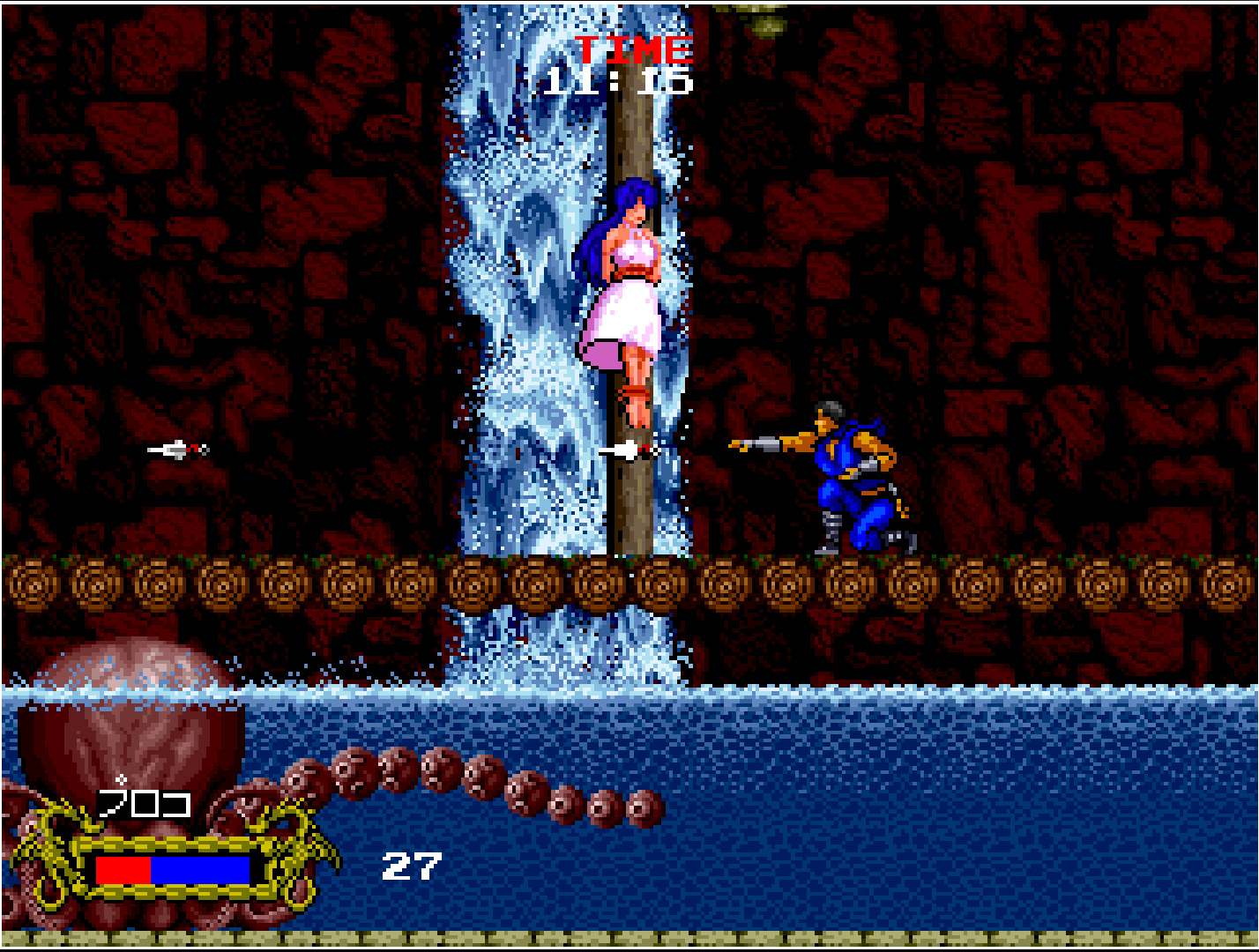
Cadash
Cadash, a classic arcade-style action RPG, made its way to the Sega Genesis in 1994, offering a unique blend of hack-and-slash combat with role-playing elements. Players choose from four distinct characters: a Fighter, a Mage, a Priestess, or a Ninja, each with their own strengths, weaknesses, and unique abilities. The game’s premise is straightforward: rescue the princess and defeat the evil demon Baaroun. What sets Cadash apart is its emphasis on exploration, item management, and character progression within a side-scrolling platformer format. As players journey through various dungeons, caves, and castles, they collect gold, purchase new weapons, armor, and magic spells, and gain experience points to level up their chosen hero. The combat is fast-paced and requires quick reflexes, especially when facing the game’s diverse array of enemies and challenging bosses. Each character offers a vastly different playstyle. The Fighter is a melee powerhouse, the Mage relies on powerful offensive spells, the Priestess provides healing and support magic, and the Ninja combines agility with offensive magic and melee attacks. This variety encourages multiple playthroughs and strategic team composition in the arcade version (though the Genesis port is single-player). The graphics are colorful and detailed, showcasing intricate pixel art environments and character sprites that are full of personality. The bosses are particularly impressive, often filling a significant portion of the screen and requiring specific tactics to defeat. The music, while repetitive at times, captures the adventurous spirit of the game, with catchy chiptune melodies that stick with you long after you've stopped playing. Cadash is known for its challenging difficulty, especially in later stages, where enemies hit harder and traps become more frequent. Resource management is crucial; knowing when to use healing potions or powerful spells can mean the difference between victory and defeat. Despite its age, Cadash remains a compelling experience for fans of retro action RPGs. Its blend of genres, engaging progression system, and vibrant presentation make it a memorable title from the 90s. The game’s labyrinthine levels encourage thorough exploration, often hiding secret passages and valuable treasures that reward diligent players. The sense of progression is satisfying, as you visibly see your character become stronger with each new piece of equipment and every level gained. The strategic element of choosing the right equipment for specific encounters adds another layer of depth. The game’s charm lies in its straightforward yet addictive loop of exploring, fighting, and upgrading, a formula that has kept players coming back for decades. The challenge, while steep, never feels unfair, pushing players to improve their skills and adapt their strategies. Cadash is a testament to the era’s ability to combine action and RPG elements seamlessly, creating an experience that is both engaging and enduring. Its influence can be seen in many subsequent action-adventure titles, solidifying its place as a cult classic. The diverse environments, from fiery caverns to icy tundras, provide a constant visual refresh, keeping the exploration exciting. The game’s commitment to its fantasy theme is evident in every aspect, from the enemy designs to the magical items you discover. It’s a true arcade gem that translated remarkably well to the home console, offering hours of challenging and rewarding gameplay for those who dare to face Baaroun.
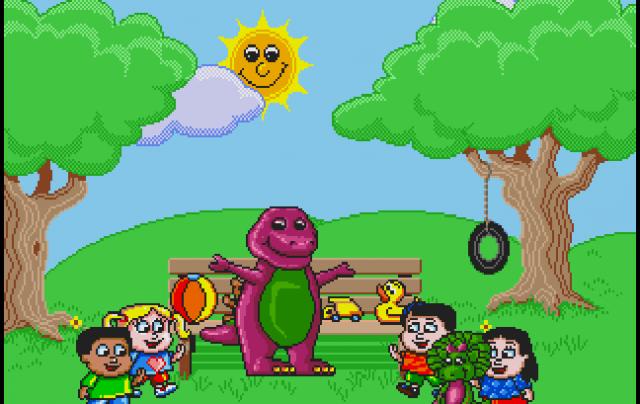
Barney’s Hide & Seek Game
Barney’s Hide & Seek Game, released in 1994 for the Sega Genesis, is a charming and educational title aimed at younger audiences. Based on the popular children’s television show, the game invites players into Barney’s colorful world for a friendly game of hide-and-seek. The primary objective is to find Barney’s friends and various hidden objects across several interactive environments. Unlike traditional platformers or action games, Barney’s Hide & Seek focuses on exploration, observation, and gentle problem-solving. Each level is a vibrant, hand-drawn scene filled with clickable elements that reveal animations, sounds, or hidden items. Players control a young child character who navigates these environments, interacting with objects and characters to progress. The game’s design is intentionally non-linear and non-punishing, allowing children to explore at their own pace without fear of failure. There are no enemies, no time limits, and no complex puzzles. Instead, the game encourages curiosity and discovery, rewarding players with positive reinforcement and delightful animations. The educational aspects are subtly integrated, teaching basic concepts like colors, shapes, and object recognition through interactive play. Barney himself is present throughout the game, offering encouraging words and guidance, making the experience feel safe and supportive for young players. The graphics are bright, cheerful, and faithful to the aesthetic of the TV show, with large, easily discernible sprites and backgrounds. The audio features familiar songs and voice clips from Barney and his friends, creating an immersive experience for fans of the franchise. While not a game for hardcore retro enthusiasts, Barney’s Hide & Seek Game holds a significant place as an early example of educational software on a home console. It demonstrates how video games can be used as a tool for learning and entertainment for the youngest demographic. Its simple mechanics and positive atmosphere make it an ideal first gaming experience for many children, fostering a love for interactive media from an early age. The game’s emphasis on positive reinforcement and exploration over challenge makes it a unique entry in the Genesis library, catering to a niche but important audience. The interactive elements are designed to be intuitive for young children, requiring simple button presses or directional inputs to trigger responses. The game successfully translates the gentle, friendly nature of the Barney show into an interactive format, providing a comforting and engaging experience. The replayability comes from the joy of rediscovering hidden elements and enjoying the charming animations, rather than from mastering complex skills. It’s a testament to the versatility of the Sega Genesis, showcasing its ability to host a wide range of genres, from intense action to gentle educational adventures. For parents looking for a wholesome and engaging game for their preschoolers, Barney’s Hide & Seek Game was, and remains, a perfectly crafted option that prioritizes fun and learning above all else. Its legacy is not in breaking sales records or pushing graphical boundaries, but in providing a safe and enjoyable introduction to the world of video games for a generation of young players.
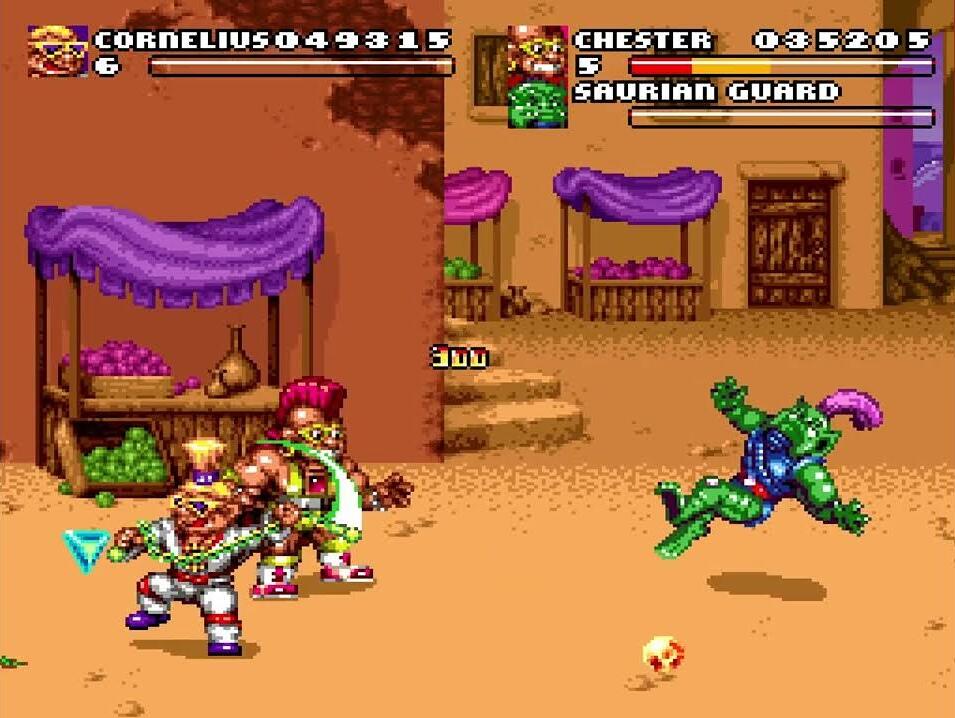
Stone Protectors
Stone Protectors, released in 1994 for the Super Nintendo Entertainment System (SNES) and Sega Genesis, is a beat 'em up game based on the short-lived toy line and animated series. The game follows five troll-like characters – Augustus, Cornelius, Chester, Clifford, and Maxwell – who transform into rock-and-roll heroes to battle the evil Zok and his minions. While the premise is quirky, the game itself is a fairly standard but enjoyable entry in the beat 'em up genre, reminiscent of titles like Streets of Rage or Final Fight. Players choose one of the five protectors, each with their own unique fighting style, special moves, and stats. The gameplay involves side-scrolling through various urban and fantastical environments, punching, kicking, and using special attacks to defeat waves of enemies. The controls are responsive, allowing for a satisfying combat flow, though some players might find the hit detection occasionally inconsistent. One of the distinguishing features of Stone Protectors is its vibrant graphics. The character sprites are large and detailed, and the environments are colorful, reflecting the cartoonish aesthetic of the source material. The game makes good use of the SNES and Genesis hardware to deliver a visually engaging experience, with plenty of on-screen action and varied enemy designs. The soundtrack features rock-inspired chiptune tracks that fit the game’s theme, providing an energetic backdrop to the constant brawling. While not a masterpiece, the music is catchy and adds to the overall retro charm. Stone Protectors supports cooperative multiplayer, allowing two players to team up and take on Zok’s forces together. This significantly enhances the fun factor, as coordinating attacks and rescuing each other from sticky situations is a hallmark of the beat 'em up genre. The game’s difficulty is moderate, offering a decent challenge without being overly frustrating. Boss battles are a highlight, often requiring specific strategies to overcome their unique attack patterns. Despite its relative obscurity compared to other beat 'em ups of the era, Stone Protectors offers a solid, if somewhat unoriginal, brawling experience. It’s a fun piece of 90s nostalgia for those who remember the toy line or are simply looking for another classic beat 'em up to enjoy. The variety in character abilities encourages experimentation and replayability, as each protector offers a slightly different tactical approach to combat. The level design, while linear, includes some environmental hazards and interactive elements that keep the gameplay fresh. The game’s quirky charm and energetic presentation make it a memorable, if not critically acclaimed, title from the mid-90s. It’s a testament to the era’s love for licensed games and the enduring appeal of the beat 'em up genre, providing a fun, cooperative experience that holds up reasonably well for fans of retro gaming. The visual design of the enemies, while sometimes generic, also includes some unique and memorable foes that add character to the game world. The special moves are satisfying to execute, often clearing large groups of enemies and adding a layer of strategic depth to the otherwise straightforward combat. For collectors and enthusiasts of the beat 'em up genre, Stone Protectors offers a pleasant diversion and a glimpse into the diverse range of titles released during the 90s console wars.

James Pond II: Codename RoboCod
James Pond II: Codename RoboCod, originally released in 1991 but seeing widespread popularity and various ports throughout the early to mid-90s, including a 1994 release on some platforms, is a quirky and imaginative platformer. Players control James Pond, a secret agent fish, who has been upgraded with a robotic suit, allowing him to stretch his body vertically to reach high places and avoid obstacles. The game’s plot involves the nefarious Dr. Maybe, who has kidnapped Santa’s elves and taken over his toy factory, threatening to cancel Christmas. James Pond must navigate through the sprawling, toy-themed levels to rescue the elves and defeat Dr. Maybe. The game is renowned for its vibrant, cartoonish graphics and incredibly detailed environments. Each level is a whimsical wonderland filled with sweets, toys, and household objects, all rendered with a distinct 90s aesthetic. The character sprites are charming and expressive, and the animations are fluid, contributing to the game’s lighthearted tone. The core gameplay is classic platforming, but with a unique twist: James Pond’s stretching ability. This mechanic is central to solving puzzles and traversing the often-complex level layouts. Players must time their stretches carefully to avoid enemies, collect power-ups, and find hidden areas. The levels are non-linear, encouraging exploration to uncover all the secrets and rescue every elf. The game also features various vehicles and power-ups, such as flying bathtubs and spring shoes, adding variety to the gameplay. The soundtrack is a collection of catchy, upbeat chiptune tunes that perfectly match the game’s playful atmosphere. The music is memorable and contributes significantly to the overall charm and nostalgic appeal of the title. James Pond II is generally considered to be a moderately challenging game, offering a good balance of accessible platforming and tricky sections that require precision. The boss battles are creative and often require players to utilize James Pond’s unique abilities in clever ways. Its enduring popularity stems from its imaginative world, distinctive gameplay mechanics, and polished presentation. It’s a game that embodies the creativity and whimsical spirit of 90s platformers, offering hours of engaging fun for players of all ages. The sheer inventiveness of the level themes, from a giant cake to a bouncy castle, ensures that exploration never feels dull. The hidden areas and collectibles provide ample reason for replayability, as players strive for 100% completion. The game’s sense of humor is evident throughout, from the character designs to the environmental details, making it a truly joyful experience. James Pond II is more than just a platformer; it’s a journey into a delightfully absurd world, a testament to the boundless imagination that defined the golden age of 16-bit gaming. Its innovative stretching mechanic set it apart from its contemporaries, making it a unique and memorable entry in the genre. The game’s charm is infectious, drawing players into its colorful world and keeping them engaged with its clever design and endless surprises. It remains a beloved classic, a shining example of how creativity and polished execution can create a timeless gaming experience.
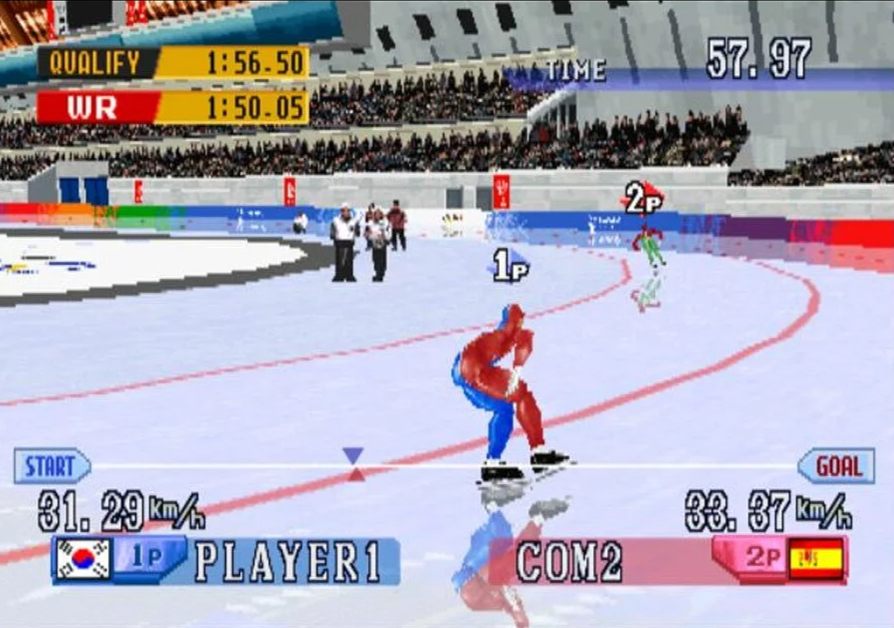
Winter Olympic Games
Winter Olympic Games, released in 1994 for various platforms including the Sega Genesis and Super Nintendo, offers players the chance to compete in a virtual rendition of the XVII Winter Olympics held in Lillehammer, Norway. This sports simulation game features a selection of popular winter events, allowing players to test their skills in disciplines like downhill skiing, bobsledding, figure skating, speed skating, and ski jumping. The game aims to capture the excitement and challenge of the real-life Olympics, providing a competitive experience for solo players and multiplayer enthusiasts alike. Each event typically involves a combination of precise timing, button mashing, and strategic maneuvering. For example, downhill skiing requires players to navigate gates with split-second reactions, while bobsledding demands careful steering to maintain speed and avoid collisions. Figure skating often involves memorizing complex button sequences to execute elegant routines, and ski jumping focuses on timing the jump and landing perfectly for maximum distance. The graphics, while limited by the hardware of the era, are functional and convey the necessary information for each event. The environments are often simple but effective, with snow-covered mountains and icy tracks providing the backdrop. Character sprites are generally small but recognizable, and the animations, though basic, clearly depict the actions being performed. The game’s strength lies in its competitive nature. Playing against friends in a hot-seat multiplayer mode adds significant replayability and creates intense rivalries as players vie for gold medals. The learning curve for some events can be steep, requiring practice to master the nuances of control and timing. The sound design features chiptune renditions of fanfare and energetic tracks that build excitement during events. Sound effects, like the swish of skis or the roar of the crowd, contribute to the immersive atmosphere, even if they are simplistic. While it might not have the graphical fidelity of modern sports games, Winter Olympic Games holds a special place for its nostalgic value and its ability to deliver a fun, competitive experience within the confines of 90s technology. It’s a testament to how developers could create engaging simulations with limited resources, focusing on gameplay mechanics and the thrill of competition. The variety of events ensures that players can find something they enjoy, and the challenge of perfecting each discipline provides long-term engagement. It’s a classic example of a sports compilation that brought the excitement of a major global event right into the living rooms of gamers, fostering a sense of participation and competitive spirit. The game’s straightforward interface and clear objectives make it easy to pick up and play, while the depth of each event offers a satisfying challenge for those who seek mastery. For fans of retro sports titles, Winter Olympic Games remains a charming and enjoyable blast from the past, a reminder of the era when pixelated athletes could still deliver Olympic-sized thrills. Its enduring appeal lies in its ability to evoke the spirit of competition and the simple joy of striving for victory, a timeless aspect of gaming that transcends technological advancements.
Latest Buzz from the Retro Gaming World
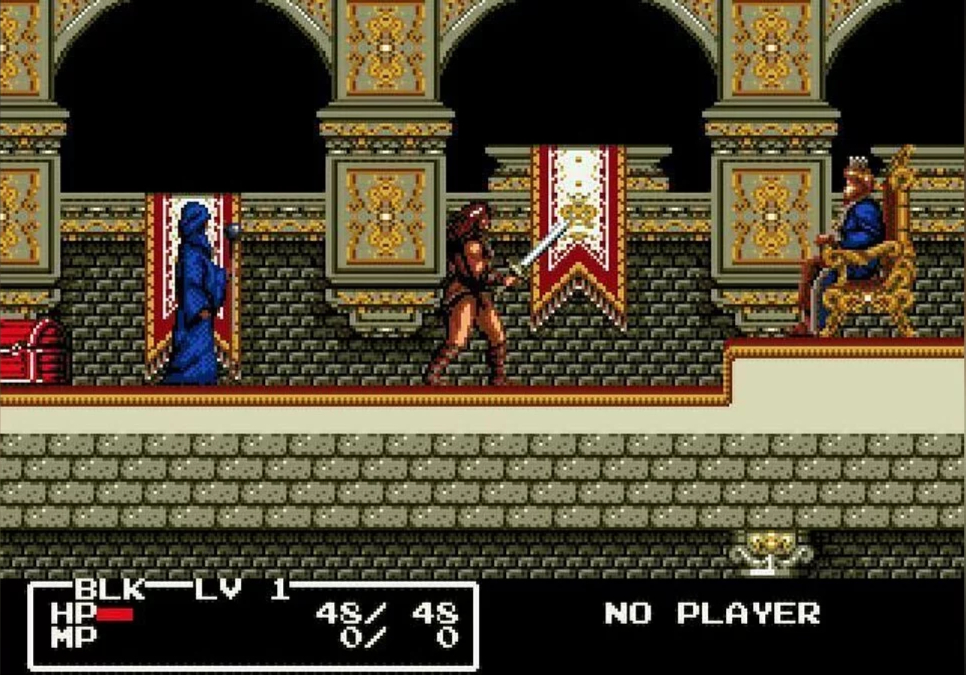
Rare 'Cadash' Prototype Cartridge Discovered!
Gaming historians are abuzz with the recent discovery of a rare prototype cartridge for Cadash, dating back to early 1994. The cartridge, found in a forgotten developer's archive, reportedly contains unused levels and early character designs, offering an unprecedented glimpse into the game's development process. This find could shed new light on the creative decisions behind the classic action RPG.
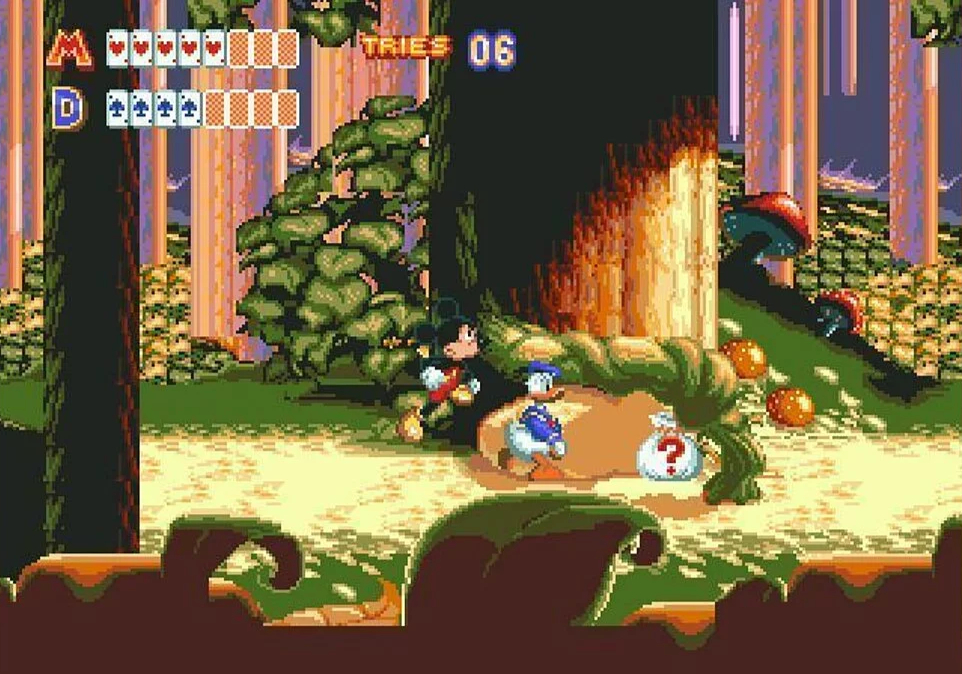
Uncovering Hidden Secrets in 'World of Illusion'
A dedicated group of speedrunners and data miners have reportedly uncovered several previously unknown glitches and secret areas within World of Illusion. These discoveries, shared on retro gaming forums, allow players to bypass entire sections and access debug rooms, reigniting interest in the beloved Mickey and Donald platformer. The community is actively exploring these new routes.
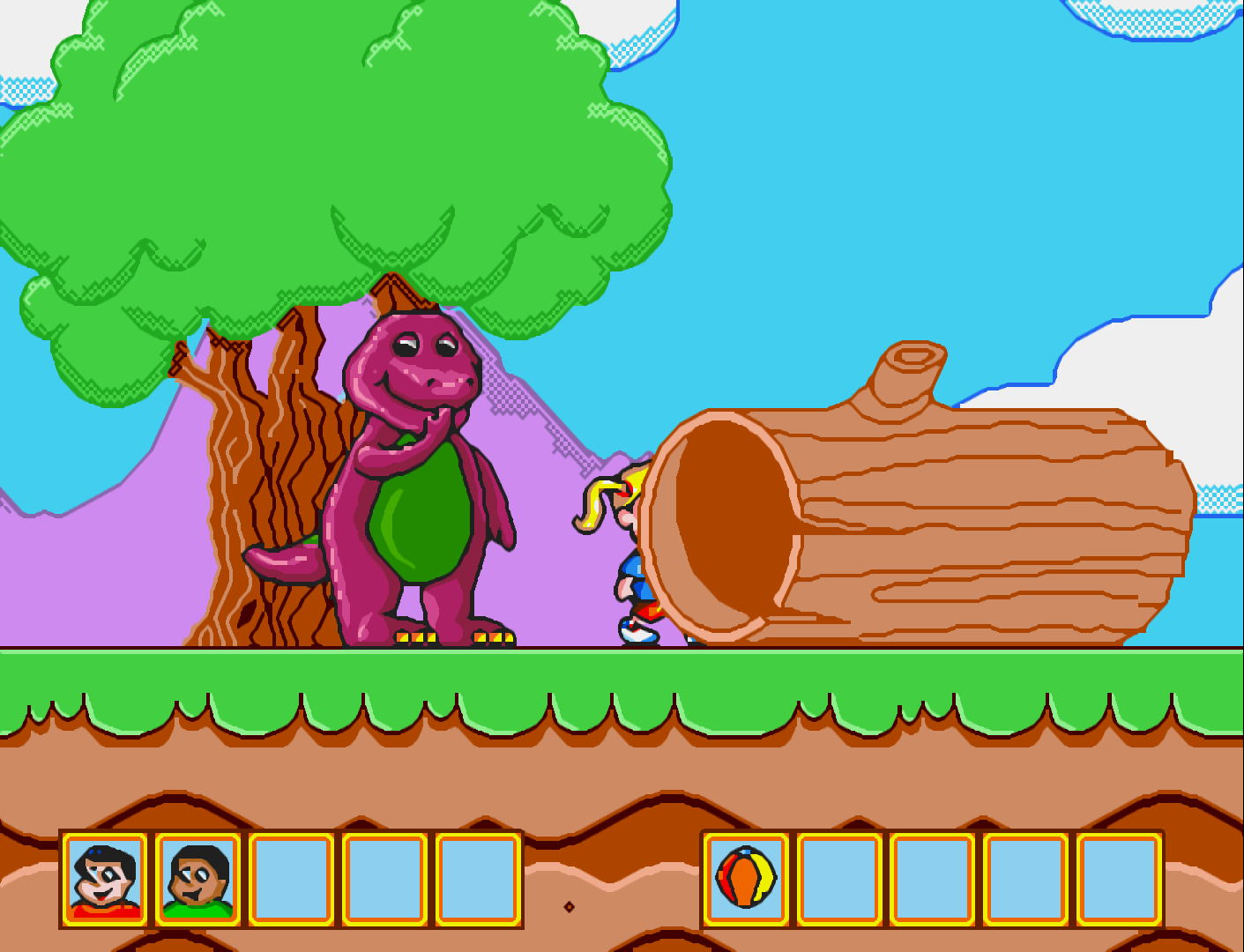
The Enduring Legacy of 'Barney’s Hide & Seek'
Despite its niche audience, Barney’s Hide & Seek Game continues to be celebrated by early childhood educators and nostalgic parents. A recent article highlighted its innovative approach to non-punishing gameplay and early educational concepts, cementing its place as a pioneering title in the edutainment genre for consoles. Its gentle design is still praised today.

'Stone Protectors' Gets a Modern Reappraisal
Once considered a cult classic, Stone Protectors is receiving renewed attention from retro game reviewers. Many are praising its solid beat 'em up mechanics and vibrant graphics, arguing that it was unfairly overlooked upon its 1994 release. The game's cooperative mode is particularly lauded for its enduring fun factor, making it a hidden gem.
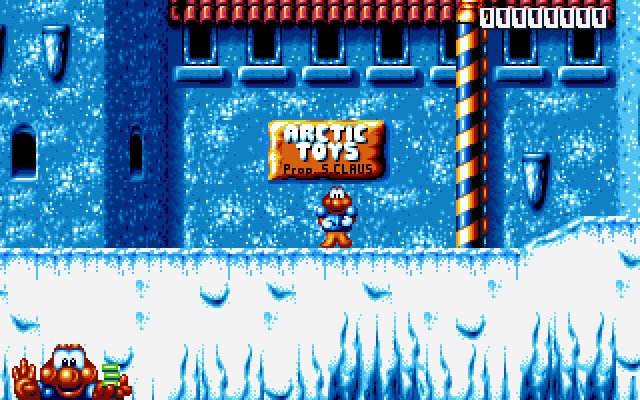
New World Record Set for 'James Pond II' Speedrun
A speedrunner known as 'PixelPond' has shattered the long-standing world record for James Pond II: Codename RoboCod, completing the game in an astonishing new time. The record-breaking run showcased incredible mastery of the game's stretching mechanics and intricate level design, inspiring other players to revisit the classic platformer and discover new strategies.
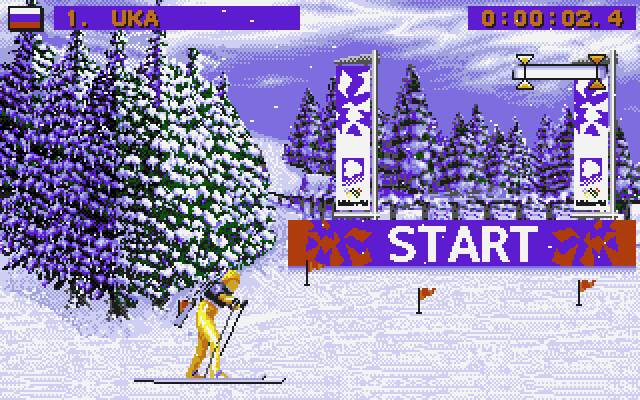
'Winter Olympic Games' Celebrates 32nd Anniversary
The Winter Olympic Games title from 1994 recently celebrated its 32nd anniversary, prompting a wave of nostalgic discussions among fans. Players fondly recall intense multiplayer sessions and the challenge of mastering each event. The game remains a beloved classic for its ability to capture the competitive spirit of the Olympics in pixel form.
What Players Are Saying

Liam O'Connell
Melbourne, AU"World of Illusion still holds up! The co-op with Mickey and Donald is pure magic. It's not just nostalgia; the level design and animations are truly timeless. A perfect game for a cozy afternoon."

Chloe Davis
Sydney, AU"Cadash was brutal back in the day, and it still is! But that's its charm. The grind for gold and new gear is addictive. It's a challenging action RPG that truly makes you earn your victories. Highly recommend for a real retro challenge."

Ethan Wright
Brisbane, AU"Barney's Hide & Seek was my first ever game. Revisiting it brings back so many warm memories. It's simple, yes, but for its target audience, it was perfect. A gentle introduction to interactive entertainment."

Mia Chen
Perth, AU"Stone Protectors is a decent beat 'em up. It's not groundbreaking, but the co-op is fun, and the characters have a certain charm. It's a solid choice if you've exhausted the more famous titles in the genre."

Noah Taylor
Adelaide, AU"James Pond II is wonderfully quirky. The stretching mechanic is still unique, and the toy factory levels are pure genius. It's a platformer with a real personality, and it's just as fun now as it was then. A true classic."

Sophia Lee
Gold Coast, AU"Winter Olympic Games brings back memories of competitive nights with friends. Some events are clunky, but others, like the bobsled, are surprisingly engaging. It's a fun time capsule of 90s sports gaming."
Game Ratings: Our Verdict
| Game Title | Graphics | Plot | Music | Controls | Replayability |
|---|---|---|---|---|---|
| World of Illusion | |||||
| Cadash | |||||
| Barney’s Hide & Seek | |||||
| Stone Protectors | |||||
| James Pond II | |||||
| Winter Olympic Games |
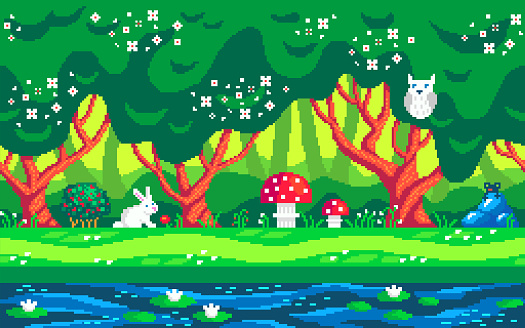
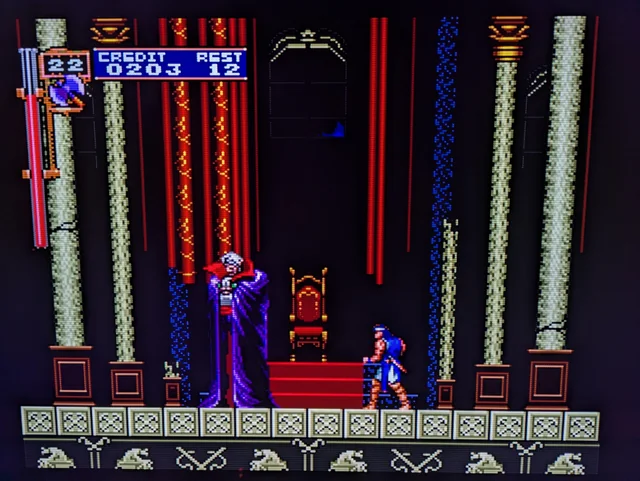
Pixel Art Gallery
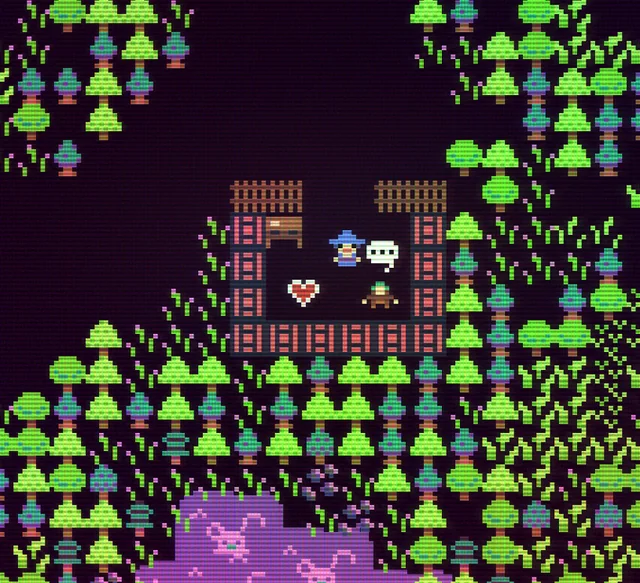
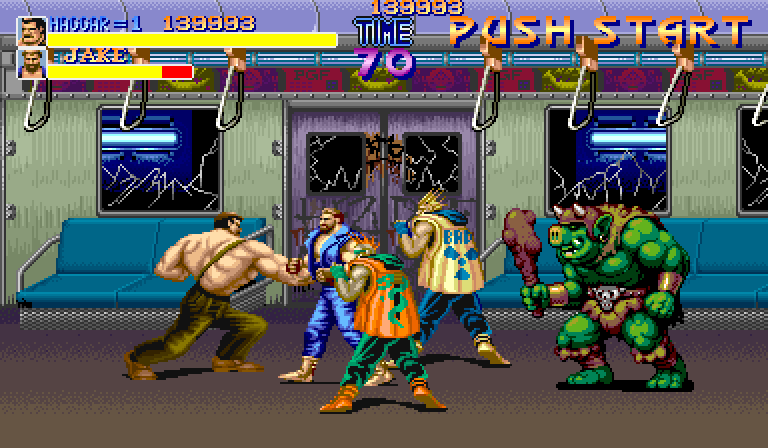


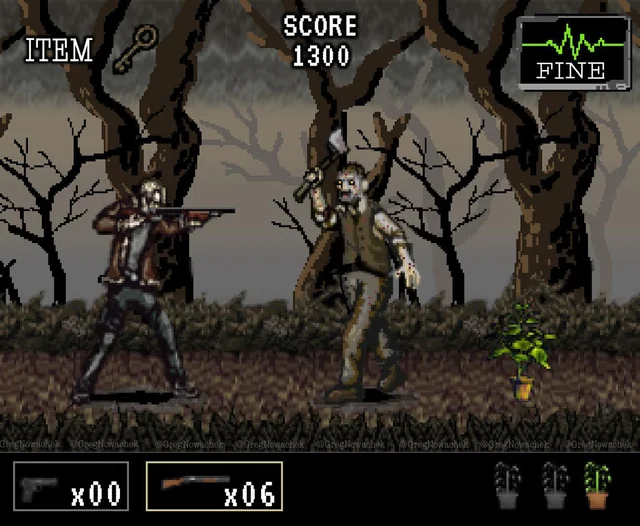
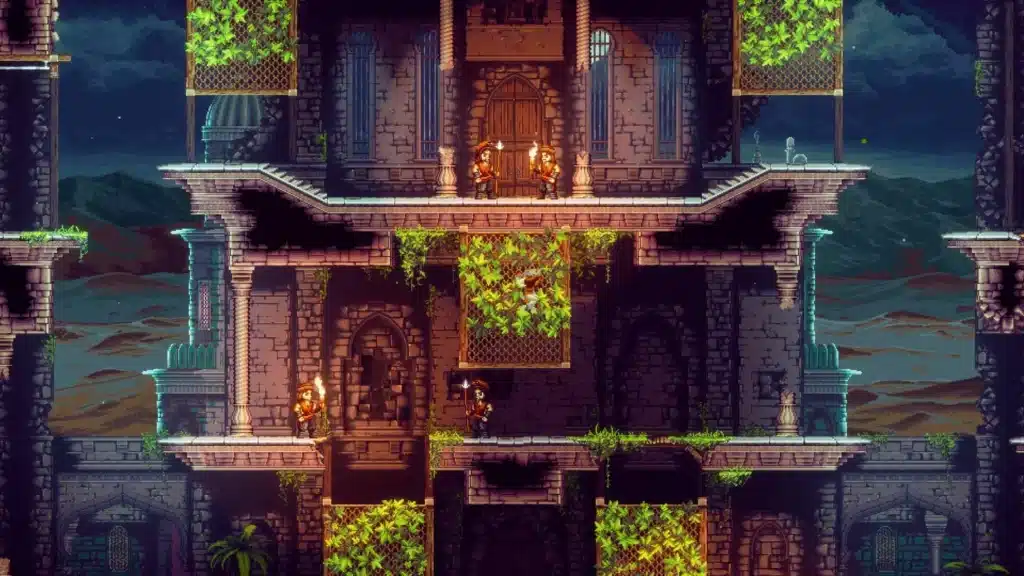

Mastering the Gameplay and Controls
The control schemes of 90s console games often prioritized simplicity and directness, yet achieving mastery required significant practice. Most titles utilized a D-pad for movement and a handful of action buttons, making them intuitive to pick up. However, the true depth emerged in how developers layered mechanics onto these basic inputs. For instance, in platformers like World of Illusion or James Pond II, precise jumps and contextual actions were crucial. A slight miscalculation could lead to instant death, demanding a high level of dexterity and timing. Beat 'em ups like Stone Protectors relied on rhythmic button presses for combos and strategic positioning to avoid being overwhelmed. The balance of difficulty in these games was often steep but fair, rewarding players who learned enemy patterns and optimized their movements. There was a tangible sense of progression not just in character upgrades, but in the player's own skill development. Modern games often hold your hand with tutorials and forgiving mechanics, but 90s titles expected you to learn through experience, often punishing mistakes severely. This approach fostered a deeper connection to the gameplay, as every victory felt genuinely earned. The tactile feedback from controllers, though rudimentary by today's standards, became an extension of the player's will, with every button press feeling impactful. The challenge was part of the fun, driving players to replay levels, experiment with different approaches, and eventually conquer what once seemed impossible. This era truly embodied the spirit of 'easy to learn, hard to master', creating gaming experiences that were both accessible and deeply rewarding for those willing to put in the effort. The distinct feel of each game’s controls became a part of its identity, from the floaty jumps of some platformers to the weighty combat of others. This variation meant that adapting to a new game was a part of the adventure, a puzzle in itself. The lack of extensive in-game tutorials pushed players to experiment, discover, and share knowledge, fostering a vibrant community around the games. This collective learning was a cornerstone of 90s gaming culture, where strategy guides and word-of-mouth tips were as valuable as the games themselves. The simplicity of the input devices belied the complexity of the actions they could produce, a testament to clever game design. It was an era where the player's skill was paramount, and overcoming a difficult challenge brought immense satisfaction, a feeling that remains central to the appeal of retro gaming today.
Intricate Level Design and Formidable Foes
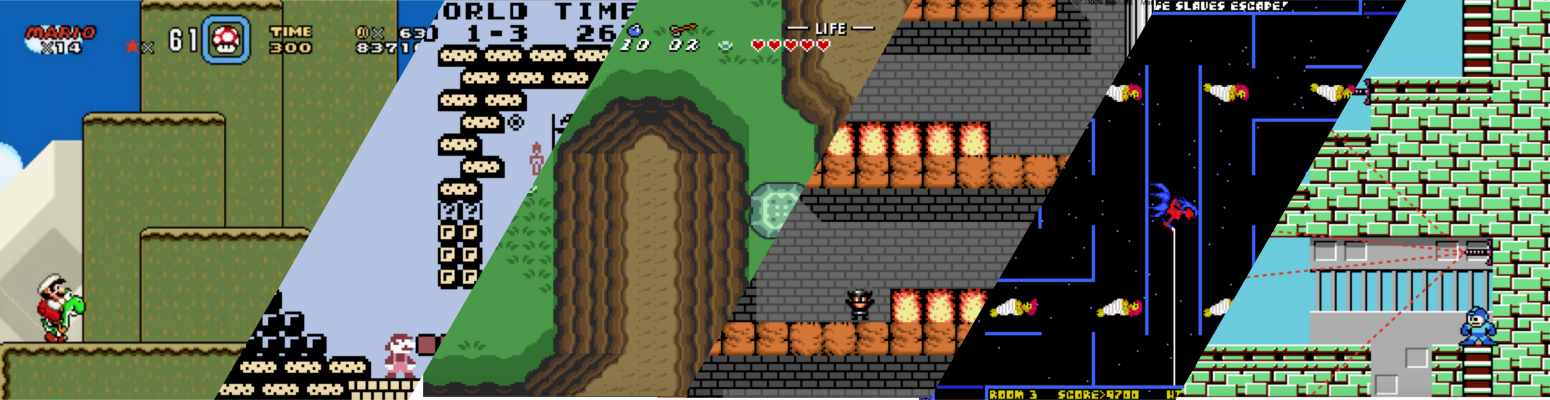
Level design in 90s retro games was a masterclass in creative problem-solving, often constrained by hardware limitations but boundless in imagination. Developers crafted intricate stages that served not just as backdrops, but as integral parts of the gameplay. From the sprawling, secret-filled worlds of James Pond II to the cleverly disguised environmental puzzles in World of Illusion, each level presented a unique challenge. Paths branched, hidden areas rewarded exploration, and environmental hazards were cleverly integrated to test a player's reflexes and strategic thinking. The linearity often found in some titles was balanced by clever platforming sequences and enemy placements that demanded careful observation and precise execution. Enemies, too, were more than just obstacles; they were often designed with distinct patterns and weaknesses that players had to learn and exploit. Whether it was the relentless charge of a Cadash monster or the tricky aerial maneuvers of a Stone Protectors minion, each foe contributed to the overall challenge. Boss battles were particular highlights, often massive sprites with multi-stage attacks, requiring players to identify patterns and execute flawless strategies. These encounters were epic tests of skill, culminating in satisfying victories. The design philosophy emphasized pattern recognition and memorization, turning each playthrough into a learning experience. The limited graphical capabilities often led to highly stylized and iconic enemy designs, where a few pixels conveyed a wealth of personality and threat. This thoughtful approach to level and enemy design created worlds that felt alive and dangerous, pushing players to their limits and making every successful navigation and defeated foe a hard-earned triumph. The environmental storytelling, though subtle, was often present, with levels hinting at deeper lore or connecting to the game’s narrative in unexpected ways. The placement of power-ups and health items was also meticulously planned, often requiring players to take risks or explore off the beaten path. This meticulous attention to detail in both the layout of the levels and the behavior of the enemies is a hallmark of 90s game design, contributing significantly to the enduring appeal and challenge of these retro classics. The bosses, in particular, often felt like true final exams, demanding everything a player had learned throughout the game. Their imposing size and unique attack patterns made each encounter a memorable event, solidifying the game’s place in the player’s memory. It’s this blend of clever design, challenging foes, and rewarding exploration that makes 90s level design so celebrated, a true art form in itself.
Intriguing Bits: Behind the Pixels
World of Illusion's Hidden Credits
Did you know that World of Illusion has a secret credits sequence accessible only by completing the game with both Mickey and Donald in co-op mode? It reveals some charming developer messages and concept art that many players missed.
Cadash's Arcade Roots
Before its Genesis port, Cadash was a popular arcade cabinet. The home version had to scale down some features, like the four-player co-op, but retained the core action-RPG experience that made it a hit in arcades.
Barney's Unused Voice Lines
Early data mining of Barney’s Hide & Seek Game ROMs revealed several unused voice lines from Barney, suggesting potential scrapped interactive elements or alternative dialogue paths that never made it into the final release.
James Pond II's Christmas Theme
James Pond II was heavily influenced by Christmas, with its plot revolving around saving Santa and his toy factory. This festive theme was a clever way to make the game a popular holiday season release.
The Chiptune Symphony: Music and Sound
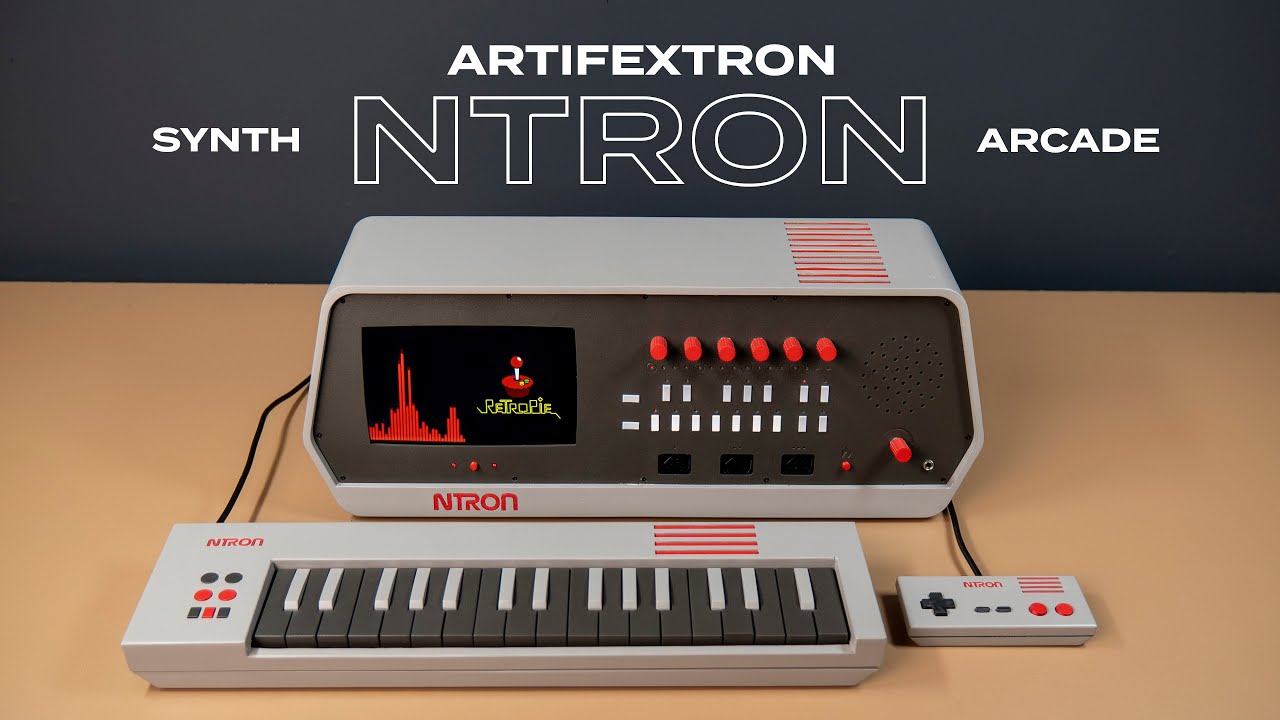
The music and sound design of 90s retro games are often as iconic as their visuals. Confined by the limited capabilities of sound chips, composers became masters of chiptune, crafting memorable melodies and atmospheric soundscapes that transcended technological constraints. These soundtracks weren't just background noise; they were integral to the gaming experience, enhancing the mood, driving the action, and embedding themselves into the player's memory. Think of the cheerful, whimsical tunes of World of Illusion that perfectly complement Mickey and Donald's adventure, or the adventurous, sometimes intense, melodies of Cadash that push you through dangerous dungeons. Even the simple, repetitive yet catchy jingles of Barney’s Hide & Seek served their purpose, creating a comforting auditory environment for young players. Sound effects, though often simplistic, were equally crucial. The satisfying 'thwack' of a punch in Stone Protectors, the distinct jump sound in James Pond II, or the fanfare of winning an event in Winter Olympic Games – these audio cues provided essential feedback and added to the immersive quality of the games. The creative use of limited channels allowed composers to experiment with different instruments and arrangements, resulting in a diverse range of musical styles, from upbeat pop to more dramatic orchestral pieces. The nostalgic power of these chiptune tracks is immense, instantly transporting many players back to their childhoods. They are a testament to the ingenuity of game developers who understood that a compelling audio experience was just as vital as engaging visuals and gameplay. The enduring appeal of 90s game music lies in its ability to evoke strong emotions and memories, proving that true artistry can flourish even within severe limitations. These soundtracks often had to convey a wide range of emotions and settings with very few resources, making the composers’ achievements all the more remarkable. The distinct character of each console’s sound chip also contributed to the unique auditory fingerprint of its games, creating a recognizable sound palette for Sega Genesis versus SNES titles. This unique sonic identity is a significant part of what makes retro gaming so special, offering an auditory journey back in time that is just as rich and rewarding as the visual one. The way music seamlessly transitioned between different sections of a level or intensified during boss battles was a subtle yet powerful technique that kept players engaged and immersed. It’s clear that the sound designers and composers of the 90s were not merely filling space; they were crafting an essential layer of the gaming experience, one that continues to resonate with players today.
1994: A Year of Diverse Gaming
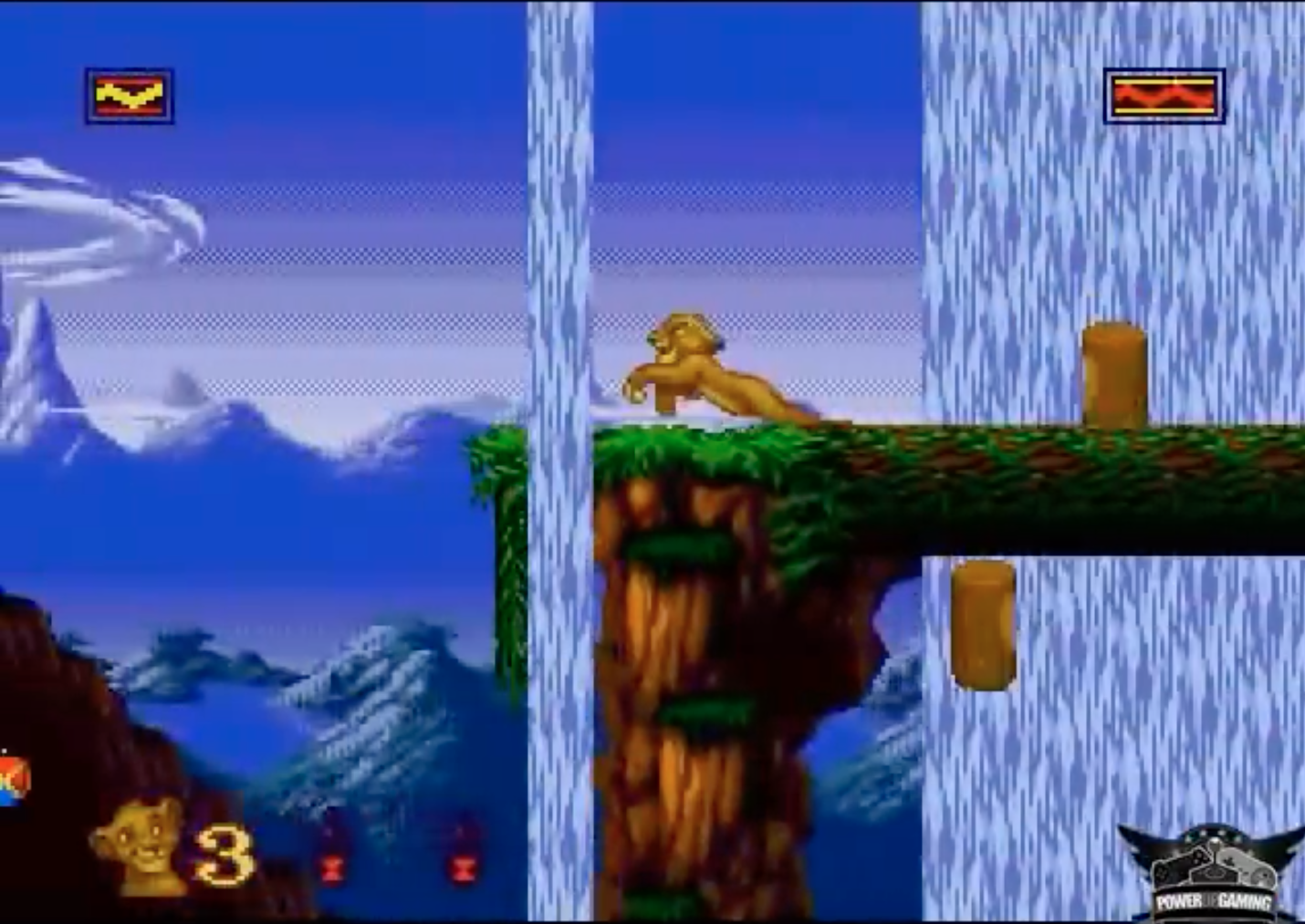
The year 1994 was a microcosm of the 16-bit era's incredible diversity, showcasing a wide array of genres and artistic approaches. Comparing games released within this single year highlights the rich tapestry of gaming experiences available. Take, for instance, the stark contrast between World of Illusion and Cadash. World of Illusion is a whimsical, cooperative platformer, prioritizing charming visuals, fluid animation, and accessible gameplay for a broad audience. Its focus is on exploration and light puzzle-solving within a magical Disney setting. Cadash, on the other hand, is a hardcore action RPG with a strong emphasis on combat, character progression, and challenging dungeon crawling. While both are side-scrolling, their mechanics, target audience, and overall tone are worlds apart. Then consider James Pond II and Stone Protectors. James Pond II is a quirky platformer defined by its unique stretching mechanic and imaginative, non-linear levels filled with secrets. It's a game about discovery and clever traversal. Stone Protectors, conversely, is a straightforward beat 'em up, focusing on satisfying combat, character variety, and cooperative brawling. While both offer action, their core gameplay loops are fundamentally different. Even within sports, Winter Olympic Games offered a multi-event simulation, prioritizing competitive skill across various disciplines. This diversity wasn't accidental; it was a reflection of a rapidly maturing industry eager to explore every facet of interactive entertainment. Developers were pushing boundaries, experimenting with genres, and refining established formulas, all within the technical limitations of the time. This resulted in a vibrant ecosystem where players could find everything from educational titles like Barney’s Hide & Seek to intense action experiences, ensuring there was truly something for everyone. This era of diverse innovation laid the groundwork for the complex and varied gaming landscape we see today, proving that creativity and distinct vision could thrive even with limited pixels and processing power. The differing art styles, from the hand-drawn feel of Disney titles to the more rugged pixel art of fantasy RPGs, further emphasized this variety. Each game carved out its own identity, contributing to a collective memory of a truly golden age in gaming. The willingness to experiment with mechanics and themes, rather than simply iterating on existing successes, is a hallmark of 1994’s gaming output, making it a fascinating year to study for anyone interested in the evolution of video games. This period saw developers not just creating games, but defining genres and establishing conventions that would influence the industry for decades to come.
Frequently Asked Questions
Get in Touch with PlayPilotHub
Or Reach Us Directly:
Phone: 61385856692
Email: [email protected]
Address: 13 | Denver Street | 3214 | Norlane | Australia